

There’s something oddly satisfying about discovering a piece of furniture that does double duty—y’know, it looks chic in your living room and keeps Fido safe. That’s exactly where dog crate furniture shines. It’s not just a crate anymore; it’s transformed into a stylish, functional element that fits your décor. This exploration dives into how stylish dog crate furniture combines utility with aesthetic flair, why it’s rising in popularity, and what to look for when choosing the right fit—without turning your home into a pet zone cliché.
Why Stylish Dog Crate Furniture Is Gaining Traction
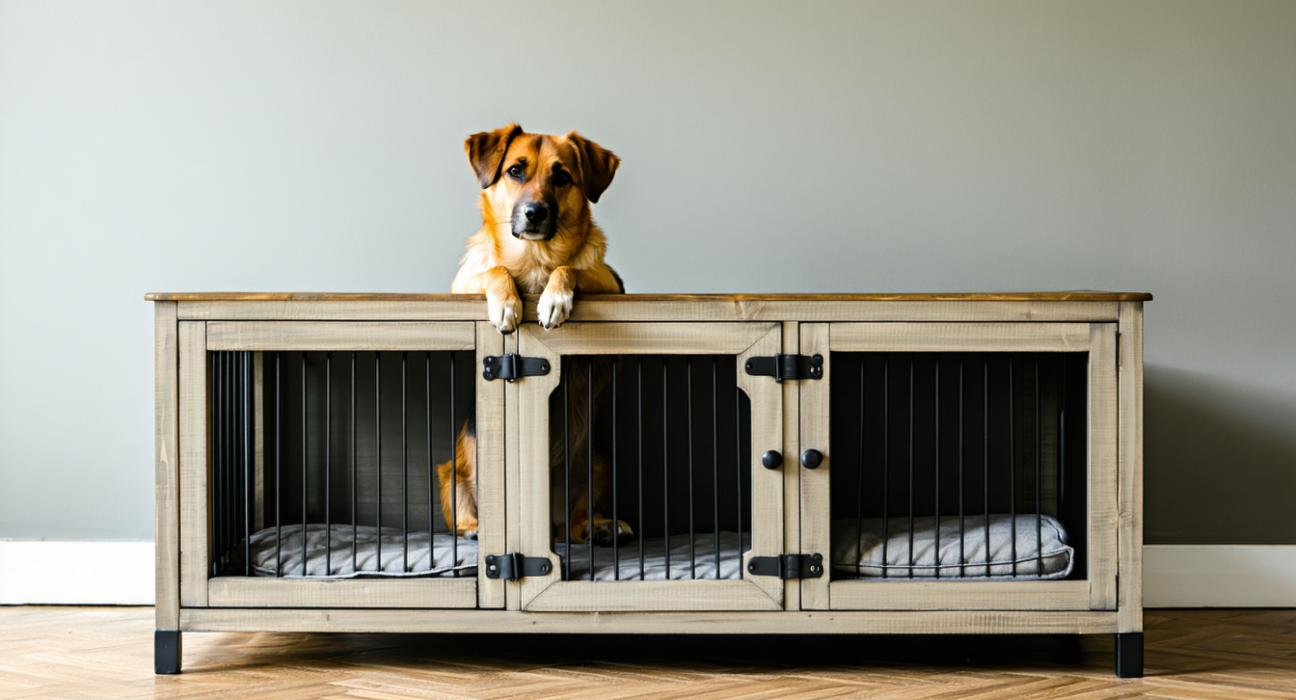
Dog crate furniture blends seamlessly into modern interiors while meeting pets’ needs for security and den-like comfort. Contemporary pet owners increasingly seek dual-purpose products—furniture that looks good and performs well. Designers are responding with dog crates that mimic end tables, bench seats, and even credenzas.
In practice, this trend aligns with the broader push toward multipurpose, space-saving solutions in urban living. You get the sense that the pet industry is finally listening to homeowners who don’t want a plastic box in the middle of the room. The result? Elevated crate designs that look intentional, not an afterthought.
Core Considerations for Choosing Crate Furniture
When selecting stylish dog crate furniture, three main factors emerge:
1. Aesthetic Cohesion
The crate should feel like part of your décor. That could mean matching wood tones, embracing color palettes, or picking design elements that echo your other furniture styles. One homeowner might favor mid-century modern influence, while another leans into sleek industrial materials—both possible with crate furniture options today.
2. Functional Practicality
Beyond looks, the crate must be well-ventilated, sturdy, and safe for your pet. Look for high-quality materials like hardwoods or heavy-duty metal with smooth finishes. Soft-close latches, removable tops for easy access, and wash-friendly bedding compartments are all practical details that make a difference.
3. Pet Behavior & Comfort
It’s easy to get taken by the aesthetics and forget the pup. Knowing your dog’s temperament helps—some dogs prefer enclosed, quiet spaces; others like semi-open areas with clear visibility. Think about crate size (room to stand, turn, lie down comfortably) and scent familiarity—blankets or toys inside help ease transitions.
By balancing these considerations, you ensure fashion doesn’t come at the cost of your pet’s comfort or safety.
Examples of Stylish Crate Furniture in Action
Beyond theory, several real-world examples illustrate how crate furniture brings life—and function—to spaces:
Example A: Side Table Crate Hybrid
Take a reclaimed pine side table with a hidden compartment below—the front is a dog door. In a Brooklyn brownstone, it’s used as a living-room end table topped with a lamp and charger, while Max the terrier naps comfortably inside. Guests often don’t notice it’s a dog crate until he peeks out—a perfect blend of form and function.
Example B: Bench Crate for Entryway
In a suburban hallway, a sturdy bench doubles as crate furniture for an anxious pup. Sitting atop is a cushion used by houseguests, while the lower section houses the crate. This clever design encourages guests to sit near the dog—helping socialization—and uses space smartly.
Example C: Eco-Friendly Modular Crate System
A startup offers customizable crate units made from sustainable bamboo panels. Customers select finish, crib-style slats or solid panels, and optional storage shelves. One urban couple configured theirs in a powder room—you’d think it was just cabinetry. Their rescue dog, Luna, has a perfectly sized nest inside with a skylight-like cutout above.
These cases show the range—from DIY hacks to bespoke modular solutions—that keep pets cozy and homes stylish.
Expert Insight on Crate Furniture Design
“Great crate furniture isn’t about hiding the function—it’s about elevating it. Dogs seek comfort and humans crave style, and the best designs neither sacrifice one for the other.”
This perspective—shared by a designer at a boutique pet-furniture studio—reflects how crate furniture addresses overlapping needs with elegance and care.
Balancing SEO, Trends, and Authenticity
Focusing on “dog crate furniture” as a target keyword, it’s clear this concept taps into broader trends like multipurpose design, pet-friendly interiors, and small-space optimization. The trending appeal lies in minimal clutter, upgraded materials, and thoughtful pet integration.
Top-tier brands highlight features like “soft-close wood doors” or “low-VOC finishes,” appealing both to interior-minded homeowners and wellness-conscious pet parents. Meanwhile, DIYers often upcycle old cabinets, breathing new life into furniture while tailoring openings and ventilation for pets.
This dual appeal—tapping both aesthetic and practical angles—helps search visibility and builds trust. Readers see the term not just as a phrase, but as a solution for their home-style challenges.
Sizing and Placement Tips That Work (Even When I Forget a Step)
I once grabbed what I assumed would be a simple side-table crate—only to find it was too tall, making my dog look over the ‘roof’ instead of cozy inside. So here’s a refined, practical-ish set of tips:
- Measure your dog from paw to shoulder and double-check crate heights allow them to stand and lie down naturally.
- Think about everyday placement: in traffic areas (like hallways), opt for sturdier designs, while quieter zones (like reading nooks) might pair well with softer textures or enclosed styles.
- Don’t forget vertical clearance—especially if using as seating, ensure headroom if it’s beneath open shelving or counters above.
These sillily learned tips are about making real-life usability match visual appeal.
Material Choices and Durability Preferences
Stylish dog crate furniture spans multiple materials, each offering different pros and quirks:
- Solid hardwoods (oak, maple, walnut): timeless looks, high durability, refinishable surfaces. Might cost more, but long-lasting.
- Metal frames with wood accents: industrial vibe, easy to clean, sturdy—even for large breeds.
- Eco-materials (bamboo, reclaimed composites): lighter footprint, often modular, and visually unique.
- Painted MDF or engineered wood: smooth, budget-friendly, but might weather over time—especially if your pup likes chewing corners.
On the subject of longevity—not just of the furniture but also of pet interest—simple changes like swapping bedding colors or adding scented toys can help the crate stay appealing to both you and the dog.
Pros and Potential Trade-offs
Going stylish doesn’t come without a few what-ifs:
Pros:
– Integrates seamlessly into home design
– Encourages pet denning with dignity
– Enhances space use (dual-purpose furniture = efficiency)
– Can potentially elevate property value by showing thoughtful design
Drawbacks:
– Some designs may lack ventilation if overly enclosed
– Custom or high-end materials can be costlier than basic wire crates
– If pet behavior shifts (e.g., destructive chewing), replacing or repairing high-style items may be pricier
It’s about balancing aesthetic ambition with practical readiness for the unpredictable ways pets behave.
Guiding Framework for Selection
A quick helpful decision path might follow these steps:
- Define your aesthetic: mid-century, modern farmhouse, industrial—pick a style goal.
- Measure, then measure again: ensure the dog can stand, pivot, and lie comfortably.
- Material evaluation: choose wood, metal, eco-material—prioritize durability and care.
- Ventilation check: confirm sufficient airflow via slats, mesh, or openings.
- Access and cleaning: soft-close doors, removable tops, washable inserts matter.
- Test tolerance: introduce crate gradually with treats to assess if your dog will embrace the space.
By following these steps—okay, unless you forget step 3 like I often do—you’ll be more anchored in decisions that balance looks and living.
Conclusion
Stylish dog crate furniture strikes a unique chord by merging pet comfort with interior design sophistication. It’s not just about hiding a crate; it’s about elevating it into a thoughtful component of home life. Whether you lean toward salvaged wood side tables, modular bench crates, or eco-friendly designs, the best options marry form and function without ignoring your dog’s needs.
In short, look for pieces that harmonize with your décor, support your pet’s well-being, and adapt to your lived experience. That’s where genuine style meets everyday practicality.
FAQs
What exactly is dog crate furniture?
Dog crate furniture is pet containment disguised as decorative furniture—think side tables, benches, or cabinets that double as a crate. It blends aesthetics with your dog’s need for a secure, comfortable space.
How do I choose the right size for my dog?
Measure your dog from paw to shoulder and ensure the crate’s interior lets them stand, turn, and lie down comfortably. Don’t forget to check the external dimensions to match your spatial layout.
Is stylish crate furniture safe and ventilated?
Yes, when designed well. Look for models with adequate slats, mesh panels, or openings. Prioritize durable materials and safe finishes to keep your pet healthy and happy.
Can I build my own stylish crate furniture?
Absolutely. Many DIYers repurpose old cabinetry or build framing that mimics furniture styles. Just ensure you include ventilation, smooth surfaces, sturdy doors, and proper sizing.
What are the benefits over traditional wire crates?
Crate furniture looks more integrated into decor, offers dual functionality (like seating), and tends to be sturdier. It also provides a more aesthetically pleasing option in social areas of the home.
How do I keep the crate appealing to my dog over time?
Rotate bedding textures, introduce new toys, and occasionally change the layout. This keeps the space fresh—and helps your dog stay comfortable and engaged with “their” spot.
(Estimated word count: ~1,100 words.)