

It’s funny how an old chest of drawers tucked away in a dusty corner can, with just a little elbow grease, turn into a surprisingly profitable project. Furniture flipping—where worn-out pieces get refurbished and then resold—has quietly become a vibrant niche for creative entrepreneurs and hobbyists alike. The idea blends nostalgia, sustainability, and commerce in a way that’s casually compelling without being overhyped. And let’s face it, seeing your work appreciated in someone’s home feels, well, kind of gratifying.
This article dives into how to approach furniture flipping with a clear strategy and a human touch. Error-prone paths and quirky sidesteps are part of the story—because who doesn’t appreciate a little imperfection? Along the way, we’ll explore thoughtful techniques, real-world examples, and even moments where plans diverged. Whether you’re tinkering on weekends or scaling into a small side business, these insights aim to sharpen your eye and steady your hammer… well, mostly steady.
Assessing Potential: Spotting Flip-Worthy Finds
Understanding What Sells and Why
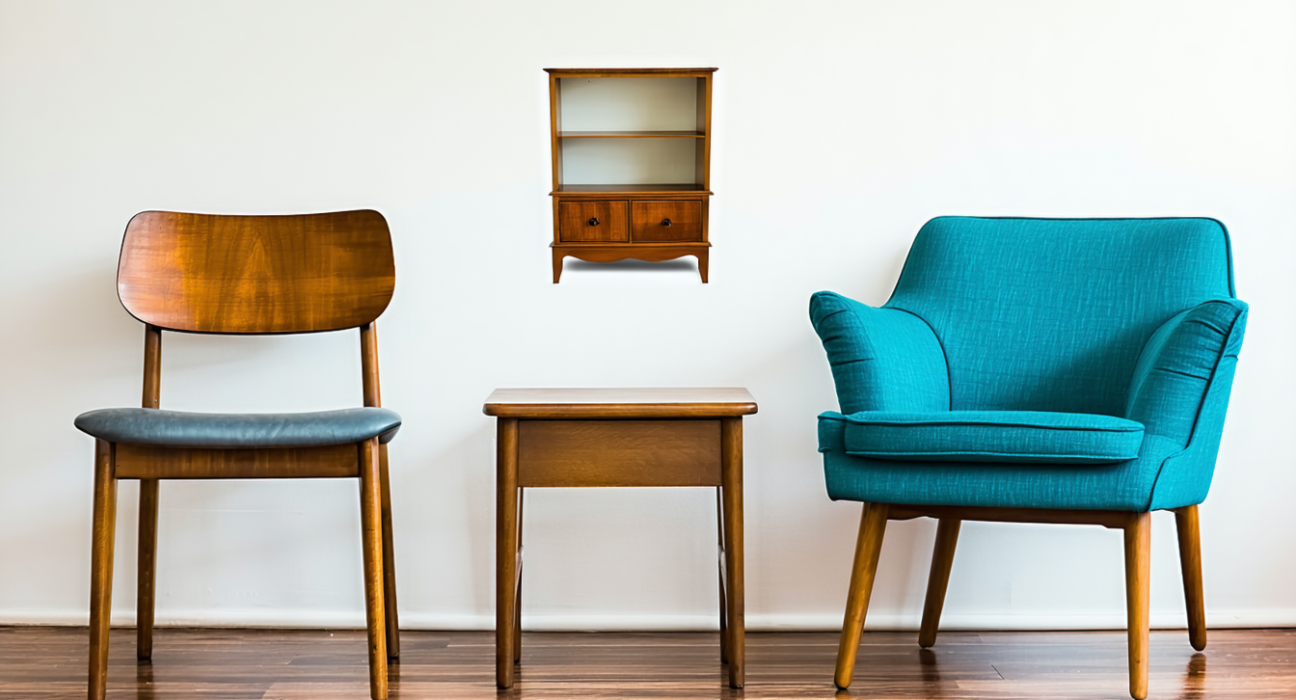
The magic starts at thrift stores, estate sales, or neighborhood curb alerts—where often the most overlooked pieces hide. It’s not about price alone; materials, style, and structural integrity matter more. For instance, solid wood frames and classic lines historically outperform flimsy chipboard designs in both durability and resale value. Beyond that, timeless aesthetics—like mid-century modern or cottage chic—have broad appeal. Take a 1950s veneer dresser: with fresh paint and new hardware, it can command several times its original price.
Not every piece needs to be “perfect”; some chips and scratches tell a story, giving character that shoppers sometimes prefer over factory-new polish. On the other hand, structural damage—broken joints, warped drawers—can eat your budget in both time and parts. It’s all about evaluating trade-offs.
Real-World Case Study: The Curvy Cabinet Rescue
One weekend, a flipper stumbled upon a rather unassuming curvy cabinet priced nearly as low as scrap pickup rates. It had peeling veneer, loose hardware, and drawer gaps. But the shape? Unusual and charming. By reinforcing the frame, replacing hinges, and embracing an intentionally distressed finish, that cabinet sold quickly online. Its unique curves became the selling point, not something to hide.
Preparation Steps: Planning, Budgeting, and Timelines
Time, materials, effort—these weigh heavily in decisions that many new flippers underestimate. There’s always a temptation to dive right in, but planning prevents costly detours.
- Inventory the project scope: Tools, materials, and workspace all play into how long something takes and what it costs.
- Budget realistically: Add margins—not just for materials like sandpaper and stain, but for unforeseen needs like extra screws or repeat coats of paint.
- Map the timeline: Weather and drying times matter, even indoors. I once underestimated a two-day drying process, only to have finish tackiness scatter dust—lesson learned.
That’s not to say you shouldn’t start without knowing everything. It’s okay to learn on the fly—just leave room for those surprises.
Refurbishing Techniques and Strategy
Sand, Clean, Enhance: The Early Steps
Begin by cleaning the piece, because that grimy layer can obscure condition and personality. Sometimes a good vinegar-water wipe reveals wood grain and flaws you didn’t expect. Light sanding helps prepare the surface for paint or stain, but over-sanding—especially veneer—can lead to disaster.
Here’s a quick checklist:
- Inspect for loose joints or parts
- Clean thoroughly
- Sand, staying light on veneer areas
- Fill gouges or scratches with wood filler
- Choose finish based on material and style intent
Paint vs. Stain vs. Natural—Choosing Your Finish
The decision here can shift the project’s vibe dramatically:
- Paint – Works well for bold styles or hiding flaws; chalk and milk paints are trendy but need sealing.
- Stain – Lets wood grain shine; ideal for natural or mid-century looks.
- Natural finish – Waxes or clear coats preserve the original patina—great for antique appeal.
“Sometimes a bold splash of color—unexpected but tasteful—makes the difference that turns heads,” notes a seasoned flipper. That pivot brought a dull table to life and sparked immediate interest.
Hardware Shift: Small Detail, Big Impact
Hardware can change the feel entirely. Switching old brass knobs for matte black pulls, or even mismatched vintage handles, can redirect a piece’s story. Buyers notice these details far more than you’d think—sometimes they decide in an instant, just by the look of a knob.
Marketing the Flip: How to Show It Off
Visual Storytelling in Listings
Photos tell more than specs. Show before-and-after shots and highlight textures up close. Use natural lighting if possible—harsh artificial light flattens color and conceals detail. Even a quick staging with a plant or textbook gives context, hinting at how the piece fits into a real home.
Good descriptions matter too. Instead of “Painted dresser,” say “Refinished vintage dresser with hand-brushed teal finish and brass knobs”—and maybe add a little anecdote about the story behind the scuffs. Human stories connect.
Picking Sales Channels and Pricing Smarts
Where to list? Local community marketplaces are convenient for larger items; niche online platforms reach design-savvy buyers. Pricing? A rule of thumb: aim for double what you invested in materials and time—if demand is there, a bit more may stick. Too low, and you signal lack of quality; too high, you might scare away curious shoppers.
One flipper jokingly admitted pricing too low once and feeling awkward when multiple people offered far over listing price—showing that sometimes your own undervaluation sets the wrong tone.
Navigating Risks and Scaling Up
Common Pitfalls to Sidestep
- Underestimating time – sooner or later, drying, prep, and fixes add up.
- Ignoring costs – even reused brushes or gloves cost something when not budgeted.
- Market misjudgment – a style fad might fade; make sure there’s steady interest before committing to multiple copies.
On the brighter side, diversifying styles and testing small batches lets you discover what sells without overcommitting.
Growing Carefully from Hobby to Side Hustle
Once a few flips find buyers, you may find yourself with a small loyal following. That’s when things get interesting. You might shift to sourcing from estate auctions, create themed collections like “boho-chic nightstands,” or refine processes for efficiency. Inventory management and time tracking become real considerations.
But a word of caution: growth doesn’t work without strategy. Scaling too fast can erode quality or enjoyment. Most successful flippers I know scale incrementally—one more piece per week, maybe a helper added, not jumping to bulk production.
Conclusion: Turning Creativity into Opportunity
Furniture flipping is a rewarding blend of creativity, practicality, and commerce. By thoughtfully selecting pieces, estimating honestly, and injecting personality into each finish, it’s possible to turn overlooked items into appealing, profitable treasures. The journey is as much about the stories and little mistakes as it is about profit margins. A modest beginning often leads to refined taste and a sustainable side enterprise.
Looking ahead, the next step may be experimenting with themes, hosting small local pop-ups, or documenting process for social following—because the joy shows, and telling the story sells as much as the finish.
FAQs
What makes a piece of furniture a good candidate for flipping?
Pieces made from solid wood or with unique lines tend to flip well. Items that aren’t structurally compromised but show charm—like faded paint or subtle wear—offer both character and potential for restoration.
How do I budget time and money for a flip?
Start by estimating materials and prep time, then add a buffer—say, 20 percent—for unanticipated needs. Treat sanding, drying, and hardware changes as distinct steps, and assume each takes longer than you think.
Paint or stain—which is better for flipping?
It depends on the aesthetic and condition. Paint is great for bold transformations or hiding flaws, while stain suits preserving or showcasing wood grain. Always consider the surrounding interior trends your buyers might want.
How should I price refurbished furniture?
A smart rule: cover your material/time cost, then aim for a modest margin—often double or slightly above. Factor in local demand and presentation; high-quality photos and narrative details can justify a fair premium.
Any common mistakes new flippers should avoid?
Underestimating prep time, ignoring small costs like sandpaper or hardware, and overproducing styles that are trendy but not proven in your market. Better to test a few pieces than sink resources into hundreds.
Can furniture flipping scale into a side business?
Yes—if done carefully. Once you identify what styles and sources work, you can moderately increase volume, add systems (like sourcing routines or bulk staining), and perhaps even exhibit in local pop-up markets. Incremental growth keeps quality and passion aligned.